

Introduction: The Standard for Machinery Protection in Critical Infrastructure
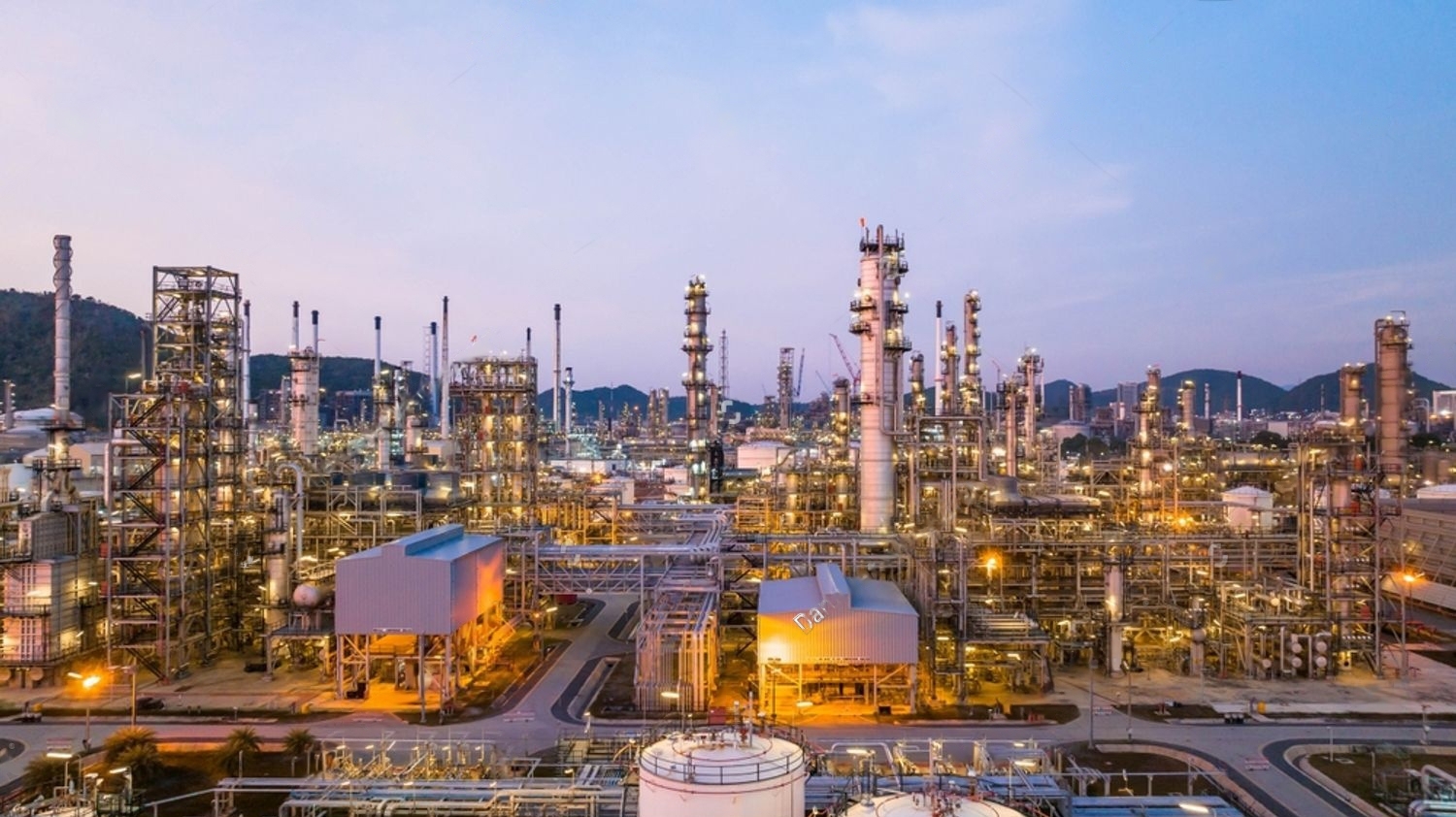
In high-risk industrial environments such as oil refineries, combined-cycle power plants, LNG facilities, and large-scale chemical processing units, rotating machinery reliability is not optional it is mission-critical. Even a brief vibration anomaly in a turbine or compressor can escalate into catastrophic failure, production loss, or safety incidents.
This is where the Bently Nevada 3500 Series Machinery Protection System has established itself as a global benchmark.
Engineered as a modular, rack-based vibration monitoring platform, the 3500 Series is widely deployed across North American industrial infrastructure for continuous machinery protection, condition monitoring, and automated shutdown logic.
What Is the Bently Nevada 3500 Series?
The Bently Nevada 3500 Series is a real-time machinery protection and condition monitoring system designed for continuous surveillance of critical rotating equipment.
According to industrial system documentation and OEM technical literature, it is engineered to:
- Monitor vibration, displacement, speed, and temperature signals
- Provide continuous online protection for rotating machinery
- Integrate with plant control systems such as DCS, PLC, and SCADA
- Trigger alarms and automatic shutdowns when safety thresholds are exceeded
At its core, the system is designed around one principle: detect mechanical failure before it becomes operational failure.
System Architecture: Why the 3500 Platform Is Built for Reliability
The 3500 system follows a modular 19-inch rack architecture, designed for scalability and redundancy.
1. Rack and Power Supply Layer
The rack provides:
- Mechanical housing for modules
- Backplane communication bus
- Redundant AC/DC power supply options
This ensures high availability in continuous-process industries.
2. Interface and Communication Layer
At the system level, the Rack Interface Module (RIM) or TDI module manages:
- System configuration
- Diagnostics
- Data communication to external systems
Communication protocols typically include:
- Modbus RTU/TCP
- OPC DA/OPC integration
- Ethernet-based plant networks
This enables seamless integration with US-based industrial control architectures such as Emerson DeltaV, Honeywell Experion, and Rockwell Automation systems.
3. Monitoring Modules (Core Measurement Layer)
The system supports a wide range of plug-in modules, including:
- Proximitor vibration monitors
- Seismic and velocity modules
- Keyphasor® speed/phase reference modules
- Temperature input modules (RTDs and thermocouples)
- Relay modules for alarm and trip logic
This modularity allows engineers to configure the system based on asset type turbines, compressors, pumps, or generators.
Why US Industrial Plants Rely on the 3500 Series
Across North American industrial sectors, reliability engineering teams prefer the 3500 Series for one key reason:
1. API 670 Compliance for Critical Machinery Protection
The system is designed to meet API 670 standards, which define machinery protection requirements for critical rotating equipment in oil & gas and power generation.
This compliance ensures:
- Standardized protection logic
- High fault detection reliability
- Proven industrial safety performance
2. High-Integrity Alarm and Trip Logic
The 3500 system implements multi-level protection logic:
- Alert level (early warning)
- Danger level (shutdown trigger)
- Relay voting logic (1oo2 / 2oo3 configurations)
This reduces false trips while maintaining protective reliability.
3. Industrial-Grade Diagnostics
Each channel continuously performs self-diagnostics, including:
- Sensor health monitoring
- Wiring integrity checks
- Signal bias verification
- Open/short circuit detection
This minimizes undetected instrumentation failure a major concern in legacy systems.
4. Lifecycle Stability in Long-Term Assets
Many US industrial plants operate machinery designed for 20–40 year lifecycles. The 3500 platform supports this requirement through:
- Modular replacement strategy (no full system replacement required)
- Backward-compatible upgrades
- Long-term spare parts availability
- Field-expandable architecture
Applications in Critical US Industries
The 3500 Series is widely deployed in:
Oil & Gas (Upstream, Midstream, Refining)
- Gas compressors
- Pipeline pump stations
- Refinery turbine trains
Power Generation
- Steam turbines
- Gas turbines
- Hydro-electric units
Petrochemical and Chemical Plants
- Reactor feed pumps
- Process compressors
- Cooling water systems
Industrial Manufacturing
- Large motors
- Fans and blowers
- Paper mill drives
How the 3500 System Prevents Catastrophic Failures
The system continuously tracks mechanical behavior using vibration analysis principles:
- Radial vibration (shaft movement)
- Axial displacement (thrust position)
- Phase analysis (rotor condition)
- Speed monitoring (overspeed protection)
When abnormal vibration signatures appear, the system:
- Detects deviation from baseline
- Validates through channel diagnostics
- Triggers alert or danger thresholds
- Sends signal to DCS/PLC systems
- Activates shutdown relay if required
This layered protection model is why it is considered a last line of defense for rotating machinery integrity.
3500 vs Legacy Systems: Why It Remains Industry Standard
Compared to older platforms (such as legacy 3300 systems), the 3500 provides:
- Higher channel density per rack
- Advanced digital signal processing
- Ethernet-enabled communication
- Improved diagnostic intelligence
- Easier configuration and maintenance
This has made it the default upgrade path in modernization projects across US plants.
Engineering Insight: Why It Still Dominates the Market
Despite advancements in IIoT and smart sensors, the 3500 Series remains dominant because it solves a problem modern systems often struggle with:
It is not just monitoring equipment, it is protecting capital assets in real time with deterministic reliability.
Unlike purely software-driven monitoring platforms, the 3500 is a hardwired, safety-oriented protection system, which is essential in environments where failure is not acceptable.
Conclusion: The Engineering Backbone of Industrial Reliability
The Bently Nevada 3500 Series continues to be the backbone of machinery protection in critical US industrial infrastructure because it combines:
- Proven mechanical protection logic
- Modular and scalable architecture
- High-integrity diagnostics
- Long lifecycle support
- Industry-standard compliance
For engineers and reliability teams, it remains one of the most trusted platforms for ensuring continuous operation of high-value rotating assets.